


How to Become a Physical Therapist
Learn what physical therapists do, what education you'll need, and what a career in physical therapy could look like.
Become a Physical Therapist
Build a career that helps people move, recover, and live their best lives.
Physical therapy is more than helping someone recover from an injury. Physical therapists work with people at every stage of life to improve movement, reduce pain, recover from surgery or injury, and stay active and independent.
If you enjoy working with people, solving problems, and making a meaningful difference in someone’s life, a career in physical therapy could be a great fit for you.
And it starts with learning more about where this career can take you.

What Does a Physical Therapist Do?
Physical therapists are movement experts who help people improve how their bodies function.
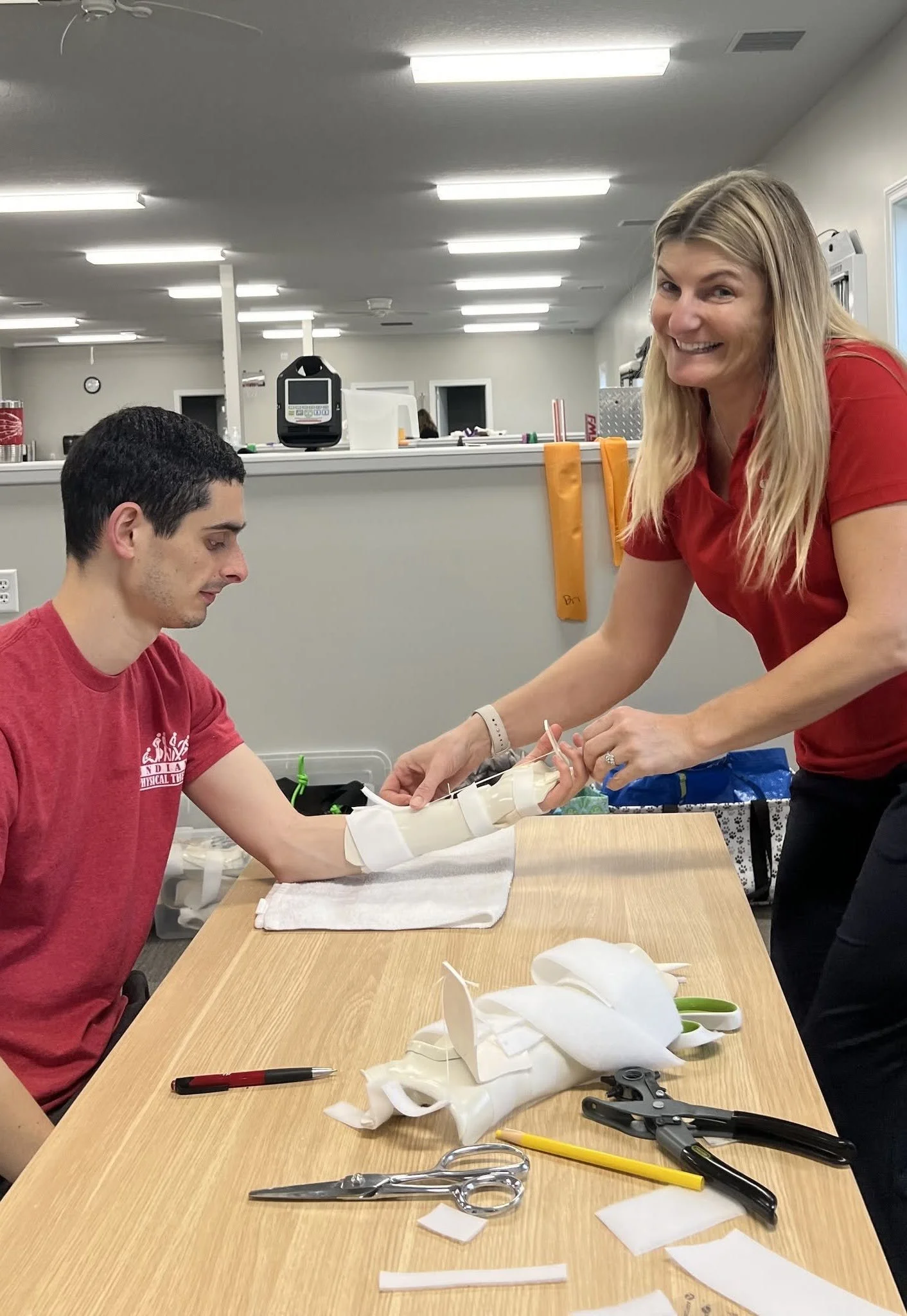
Every patient is different, which means physical therapists use a combination of clinical knowledge, problem-solving, communication, and hands-on care to develop individualized treatment plans.
Depending on their area of practice, physical therapists may help patients:
Recover after surgery or an injury
Manage chronic pain
Improve strength, balance, and mobility
Return to sports and physical activity
Recover from neurological conditions
Improve their ability to perform everyday activities
Prevent future injuries
Maintain independence as they age
Perhaps most importantly, physical therapists get to see the progress that happens when a patient goes from struggling with something to doing things they once thought they couldn't.
Why Choose Physical Therapy as a Career?
Make a Difference Every Day
Physical therapists have the opportunity to directly impact people's lives. Whether you're helping an athlete return to their sport, helping someone walk comfortably again, or helping an older adult maintain their independence, your work can have a lasting impact.
Work With People
If you enjoy interacting with others, physical therapy provides a career built around relationships. You'll work closely with patients, families, physicians, and other healthcare professionals.
Keep Learning
The human body is complicated, and every patient presents a new challenge. Physical therapists continually learn and develop their skills throughout their careers.
Solve Problems
Physical therapy isn't simply following the same exercises with every patient. Therapists evaluate how someone moves, identify what's contributing to their limitations, and develop a treatment plan based on their individual needs.
Build a Long-Term Career
Physical therapists can work in a variety of settings and develop specialties based on their interests. Some work in outpatient clinics, while others work in hospitals, schools, sports settings, rehabilitation centers, and other healthcare environments.
What is the Path to Becoming a Physical Therapist?
Becoming a physical therapist requires significant education and training, but the path is straightforward.
1. Earn a Bachelor's Degree
Most students begin by earning a bachelor's degree while completing prerequisite courses required for physical therapy school.
Your undergraduate major does not necessarily have to be exercise science or a similar field, but you'll need to complete the prerequisite coursework required by the Doctor of Physical Therapy programs you're interested in.
2. Attend Physical Therapy School
Physical therapists earn a Doctor of Physical Therapy (DPT) degree from an accredited physical therapy program.
DPT programs typically take about three years after completing an undergraduate degree.
During physical therapy school, students study subjects such as:
Anatomy
Physiology
Kinesiology
Exercise science
Neurology
Orthopedics
Patient examination and evaluation
Therapeutic exercise
Manual therapy
Clinical decision-making
Students also complete hands-on clinical education, allowing them to apply what they learn in real healthcare settings.
3. Pass the National Physical Therapy Examination
After earning a DPT degree, graduates must pass the National Physical Therapy Examination (NPTE) to become licensed to practice.
4. Start Your Career
Once licensed, physical therapists can begin practicing and continue developing their skills through experience, continuing education, certifications, and specialized training.
What Can You Specialize In?
One of the great things about physical therapy is that there isn't just one type of physical therapy career.
As you gain experience, you may discover an area of practice that particularly interests you.
Some examples include:
Orthopedic Physical Therapy
Helping patients recover from injuries, surgeries, and conditions affecting the muscles, bones, and joints.
Sports Physical Therapy
Working with athletes to recover from injuries and safely return to their sport.
Neurological Physical Therapy
Helping people affected by conditions involving the brain, spinal cord, and nervous system improve movement and function.
Geriatric Physical Therapy
Helping older adults maintain strength, mobility, balance, and independence.
Pediatric Physical Therapy
Working with children to improve movement and physical development.
Vestibular Rehabilitation
Helping patients experiencing dizziness, vertigo, and balance problems.
And there are many other opportunities within the profession.
What Is It Like to Be a Physical Therapist?
A career in physical therapy can look different from one therapist to another, but there are a few things you can expect.
You'll spend much of your day working directly with people. You'll evaluate patients, develop treatment plans, teach exercises, provide hands-on care, and continually adjust your approach based on how someone is progressing.
You'll also spend a lot of time communicating.
A good physical therapist needs to be able to explain complicated concepts in ways patients can understand, encourage people when progress is difficult, and build relationships that help patients stay engaged in their recovery.
It's a career that combines science, movement, problem-solving, and people.
Is Physical Therapy Right for You?
You don't have to know exactly what you want to do with your career yet.
But if several of these sound like you, physical therapy may be worth exploring:
You enjoy science and learning how the human body works.
You like working directly with people.
You enjoy solving problems.
You are interested in health, fitness, sports, or movement.
You want a career where you can make a tangible difference.
You enjoy teaching or helping others understand something.
You want a career that continues to challenge you.
You like the idea of seeing the results of your work firsthand.
You can also learn more about the profession by shadowing a physical therapist, talking with therapists, or gaining experience in a healthcare setting.
Interested in Becoming a Physical Therapist?
At Indiana Physical Therapy, we've spent decades helping people throughout Indiana move better and live healthier lives.
We're also passionate about supporting the next generation of healthcare professionals.
If you're a student considering a career in physical therapy, our scholarship program can help you take the next step toward your education.
Start Your Journey
Learn more about the Indiana Physical Therapy Scholarship and see if you qualify.